
For many home sewists, the absence of an overlocker does not need to be a barrier when it comes to working with knit fabrics. The secret lies in understanding how to harness the power of a regular sewing machine to create professional, durable garmen...
Read More
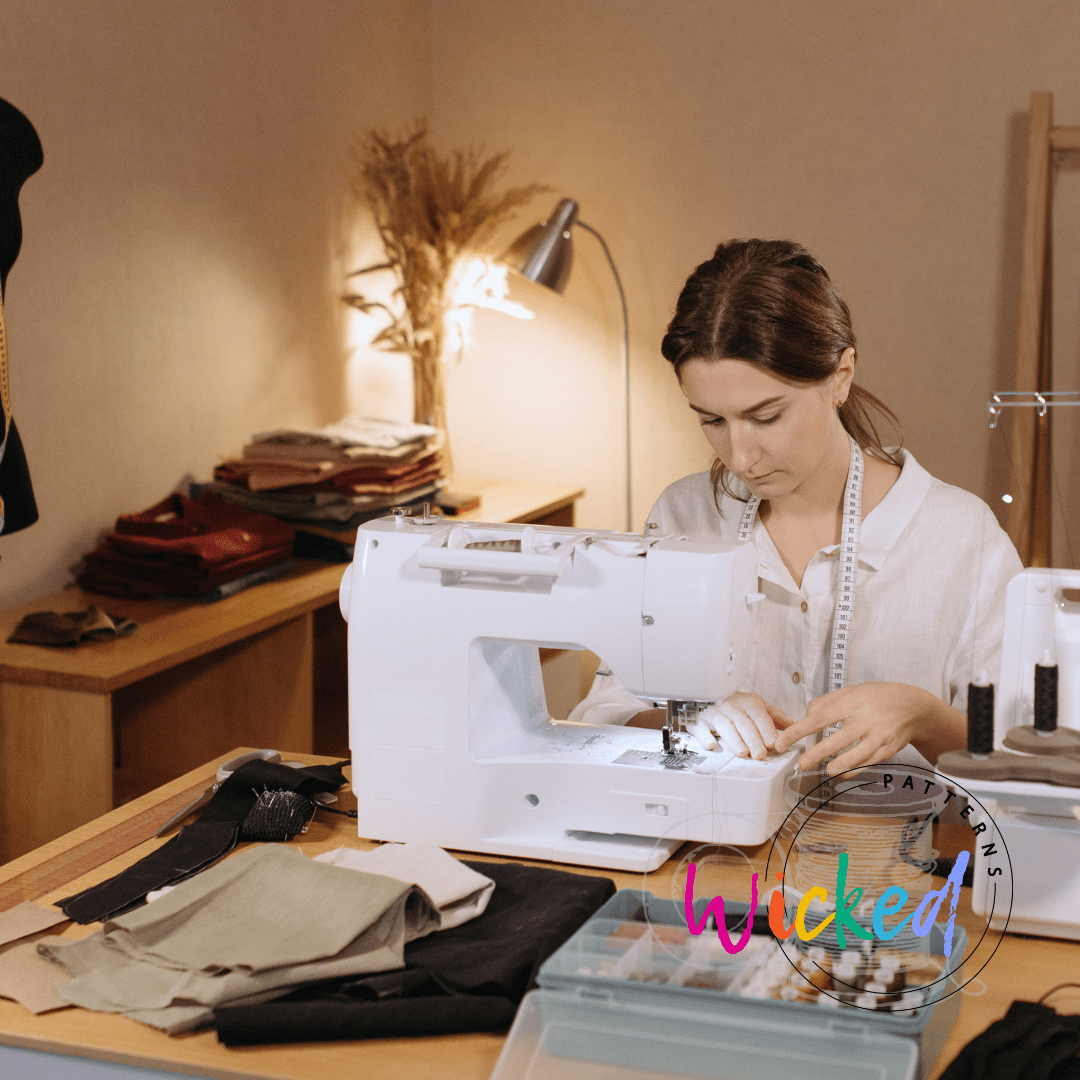

Today we are focusing on troubleshooting "Stretched Out, or Distorted Edges".Stretched Out, or Distorted EdgesProblem Description:Stretched out or distorted edges occur when the fabric edges become wavy, elongated, or misshapen during sewing. This is...
Read More
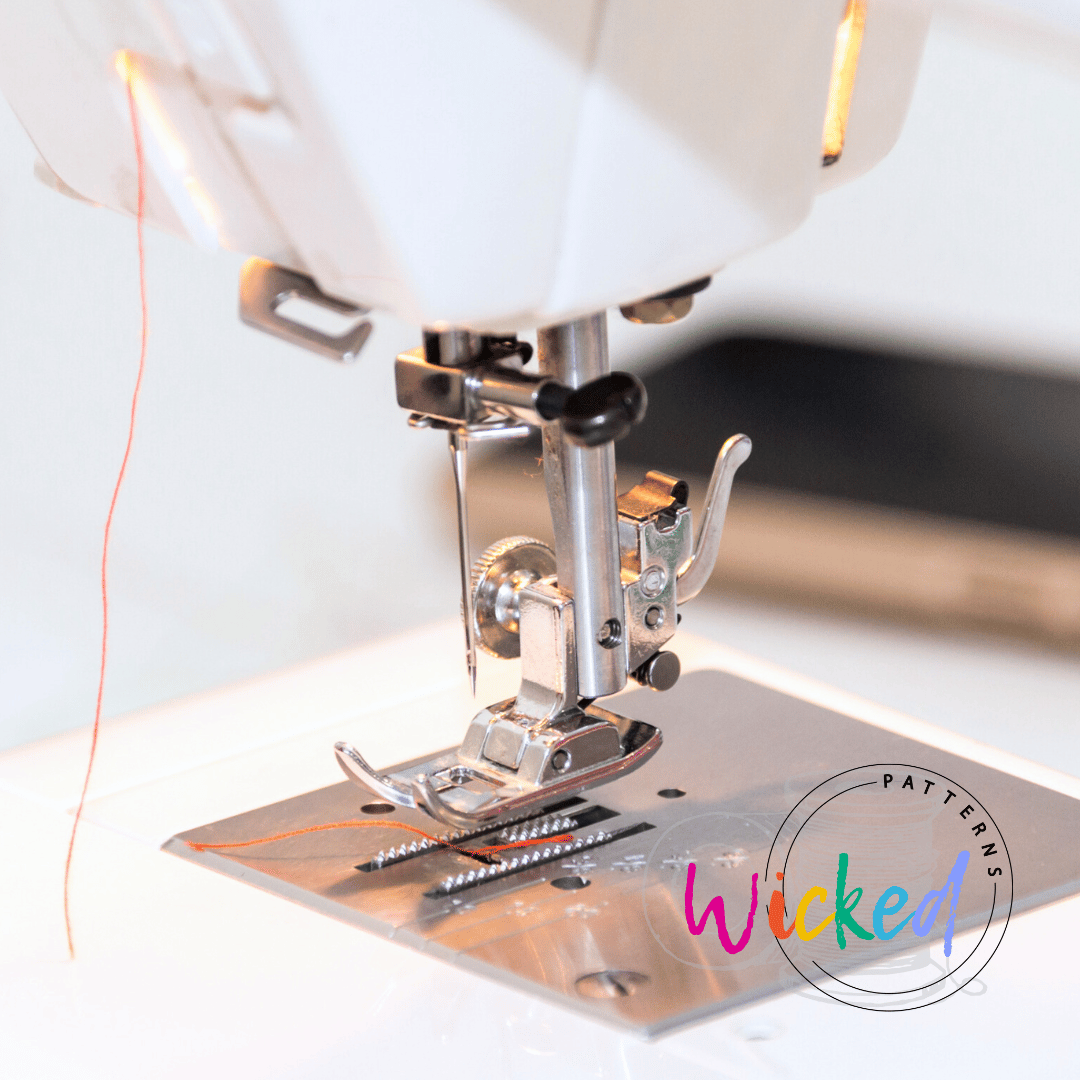
Today we are focusing on troubleshooting "Fabric Getting Sucked Into the Needle Plate".Fabric Getting Sucked Into the Needle PlateProblem Description:When fabric gets pulled or "sucked" into the needle plate (throat plate), it becomes jammed in the f...
Read More
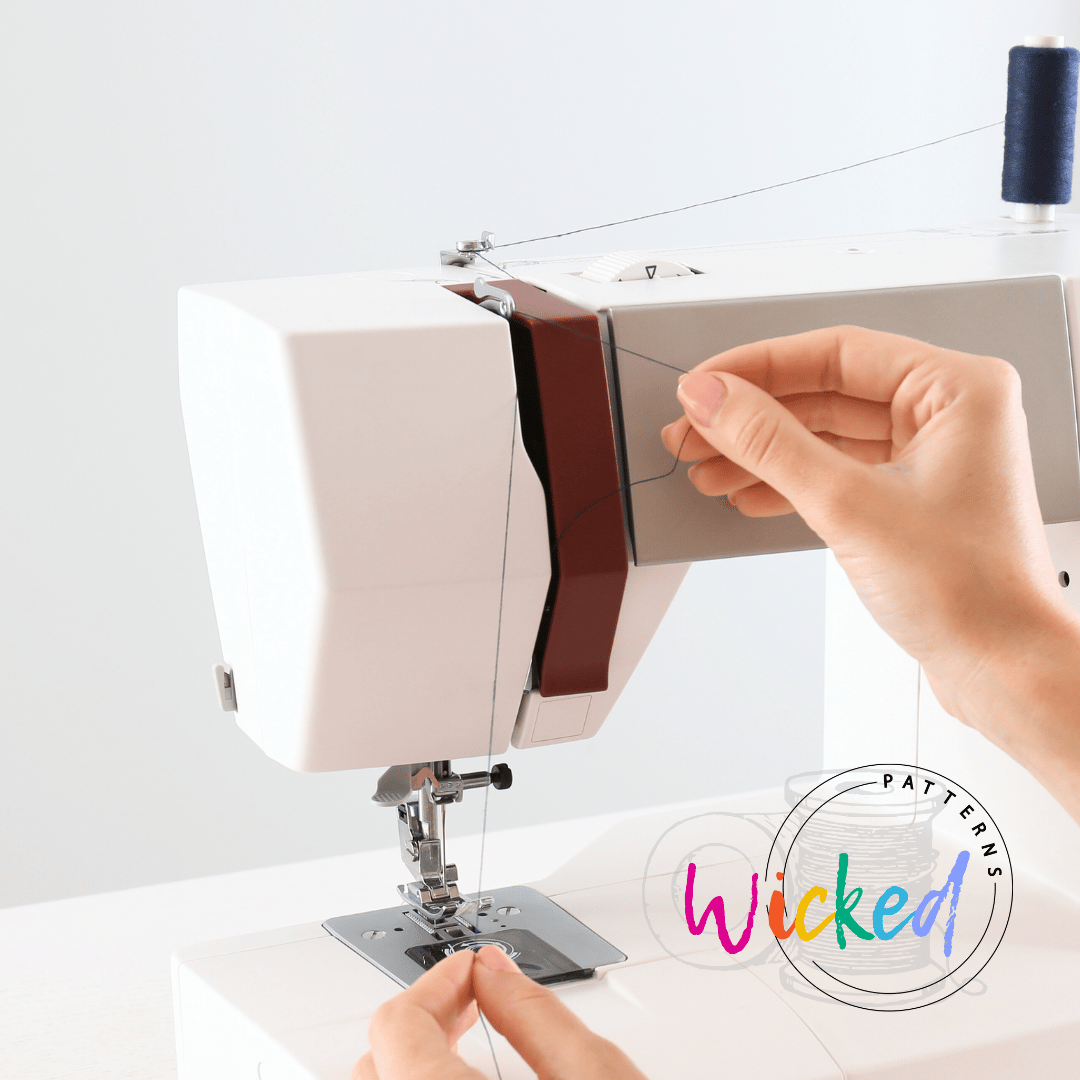
Today we are focusing on troubleshooting "Thread Breaking or Snapping".Thread Breaking or SnappingProblem Description:Thread breaking or snapping occurs when the thread continuously breaks during sewing, causing interrupted stitching, project delays,...
Read More
Today we are focusing on troubleshooting "Tunnelling".Tunnelling (Wave-Like Seams)Problem Description:Tunnelling occurs when seams develop a wave-like or rippled appearance instead of lying flat. This creates an unsightly ridge along the seam line th...
Read More
Sewing with knit fabrics can be challenging, even for experienced sewists. Today we are focusing on troubleshooting "Skipped Stitches".Skipped StitchesProblem Description:When sewing knits, you might notice gaps in your stitching where the machine ha...
Read More
When it comes to sewing knit fabrics, sewers frequently debate whether to use an overlocker (also known as a serger in other countries) or a traditional sewing machine. Both have advantages and disadvantages, and knowing the differences can help you ...
Read More
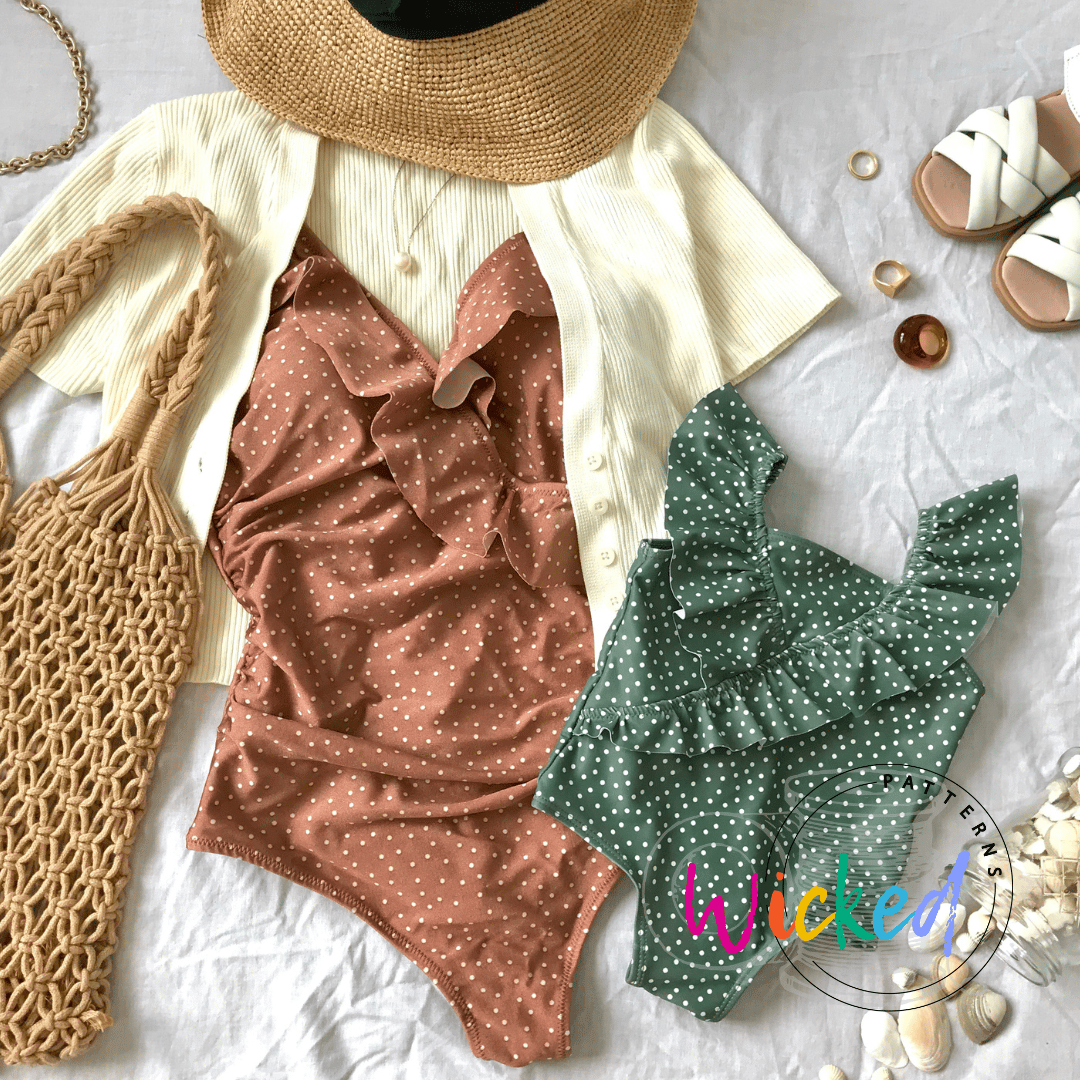
Sewing with spandex/Lycra blends can be both exciting and challenging. These fabrics have excellent stretch and recovery properties, making them ideal for form-fitting garments, activewear, and swimwear. However, their distinct characteristics necess...
Read More
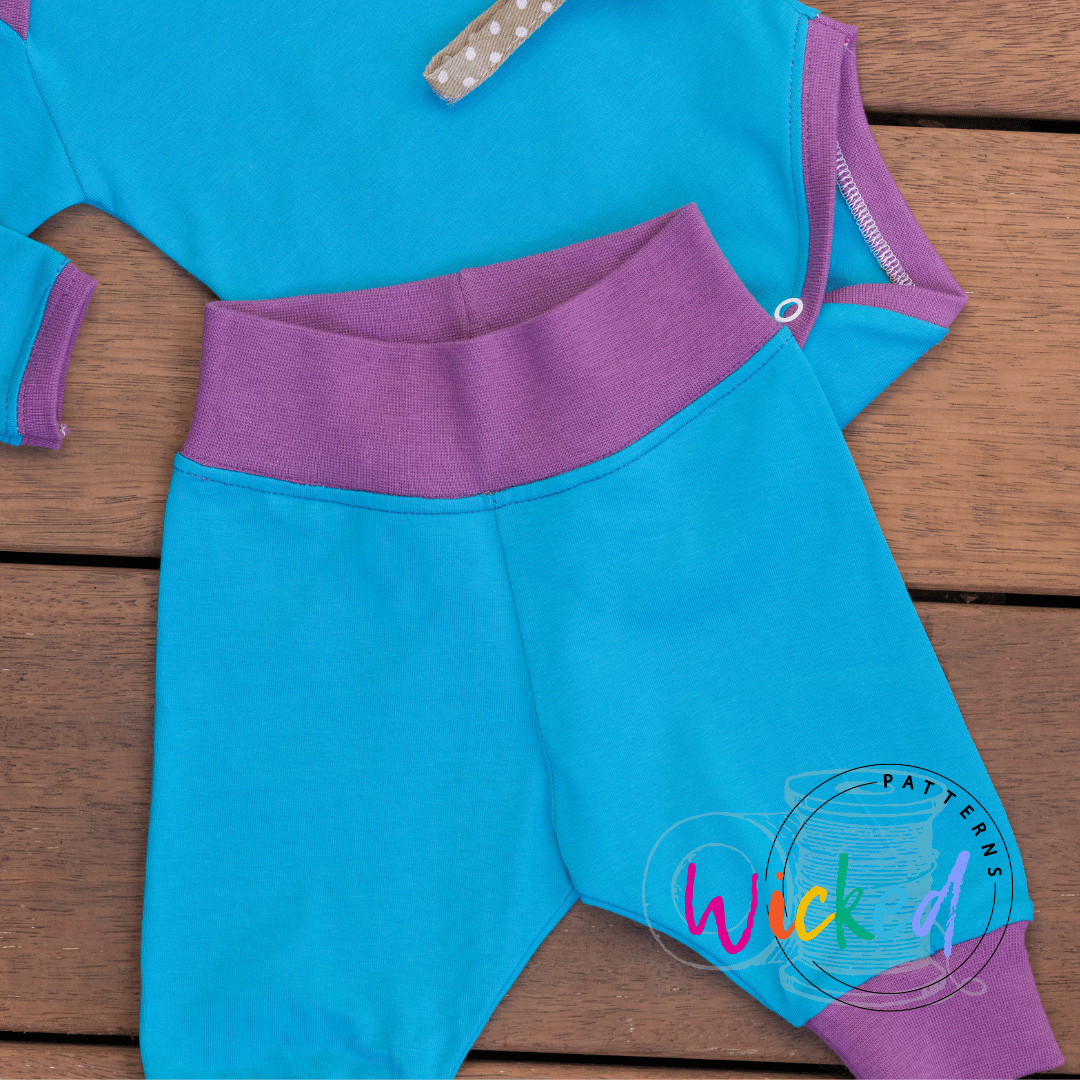
When sewing knit clothing for children, it is critical to create comfortable waistbands. A well-designed waistband not only provides a good fit, but also allows for freedom of movement and growth. In this comprehensive guide, we'll look at vario...
Read More
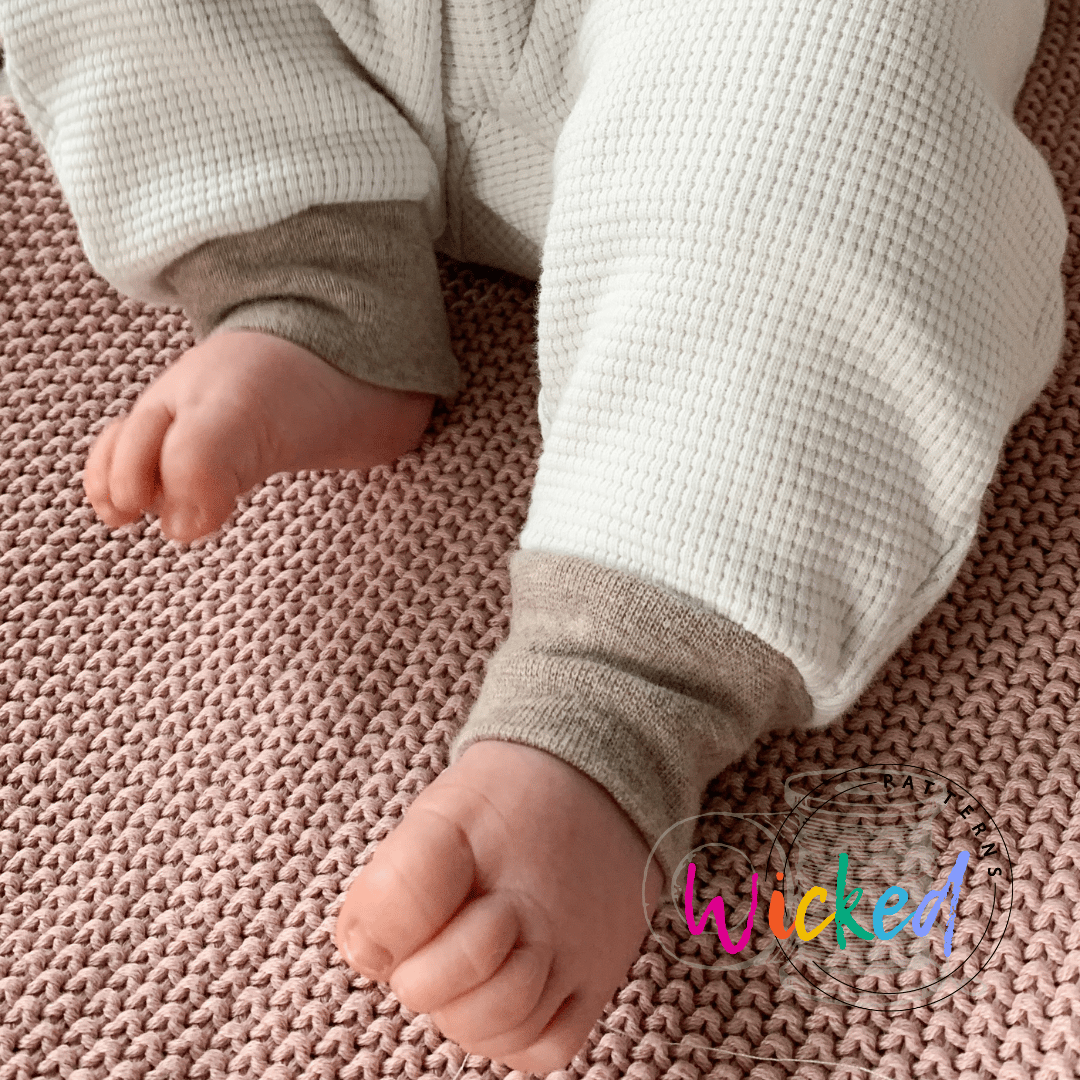
Neckbands and cuffs are essential components of knit garments, providing both functionality and style. In this guide, we'll look at how to sew these components, compare ribbing to self-fabric, and provide tips to make the process easier.Understanding...
Read More
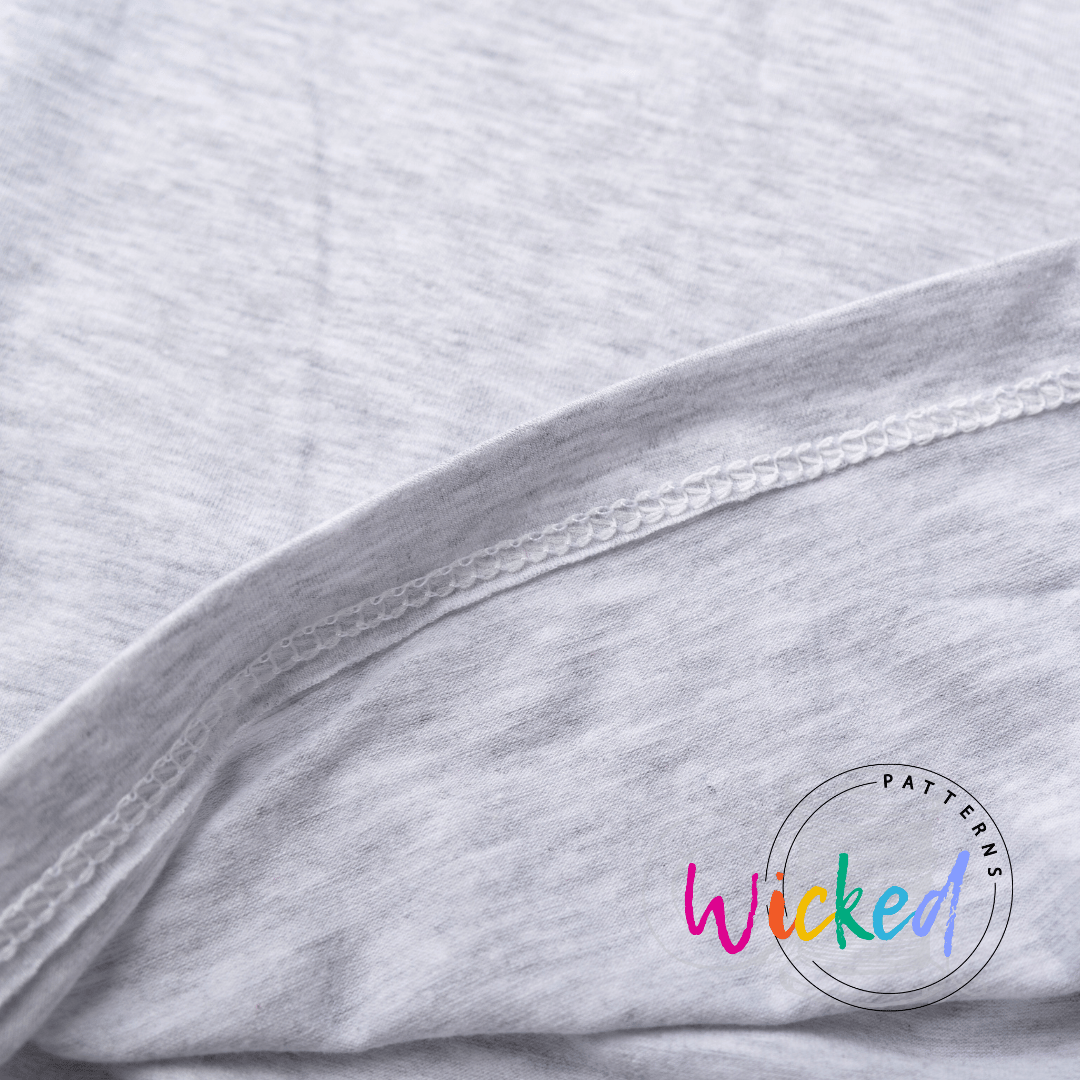
Hemming knit garments can be tricky, but with the right techniques, you can achieve professional looking results. In this guide, let's explore various hemming methods and recommendations for different fabric types and weights.Twin Needle HemCreates a...
Read More
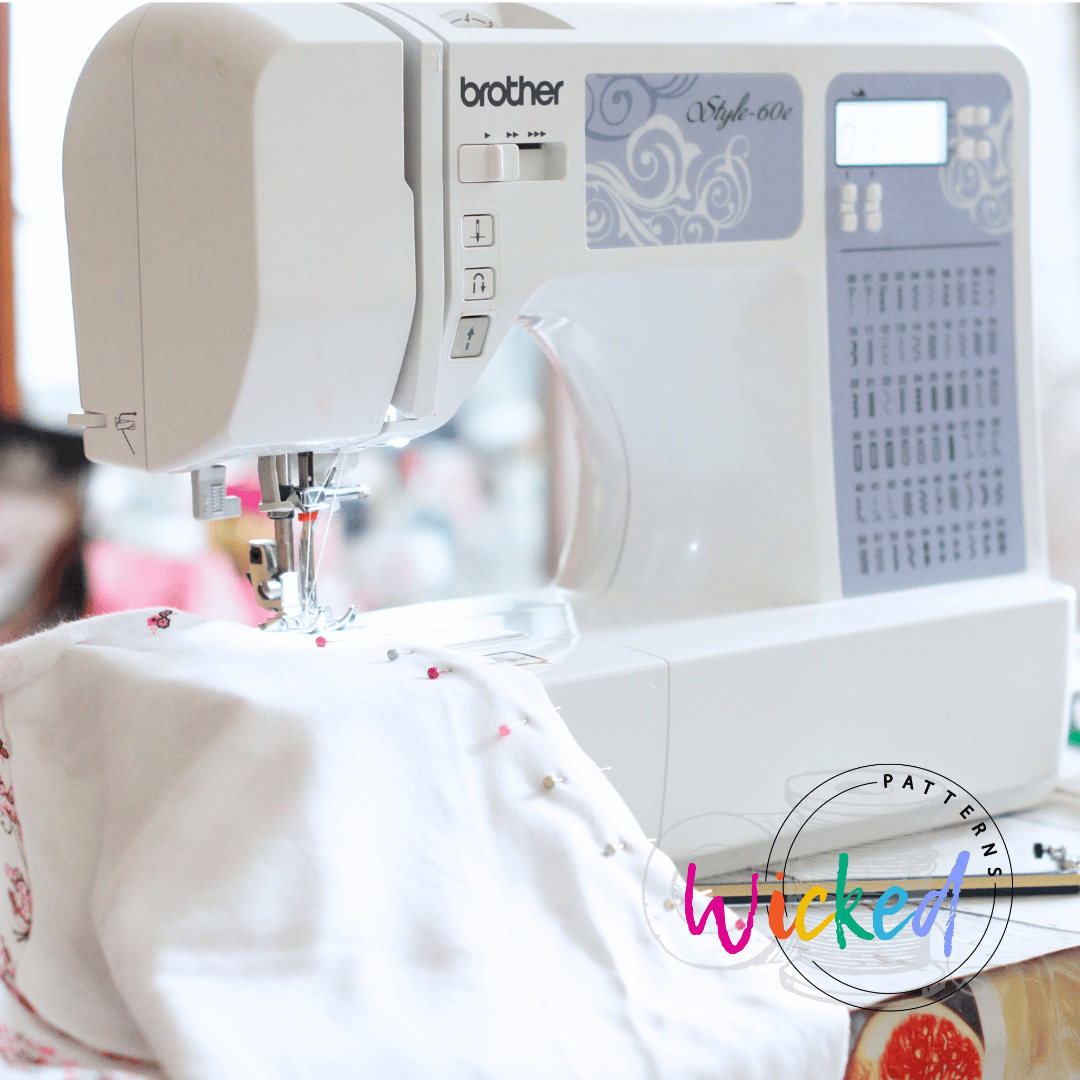
Today we are looking into sewing machine settings so that it is set up so it's is suitable for knit fabrics, along with common troubleshooting tips.Stitch SelectionStraight Stitch:Generally we avoid using a straight stitch when we are sewing stretch ...
Read More
What is Stretch Percentage?Stretch percentage refers to how much a fabric can stretch beyond its original length. It's typically measured as a percentage of the fabric's original size. For example, a 50% stretch means the fabric can stretch to 1.5 ti...
Read More
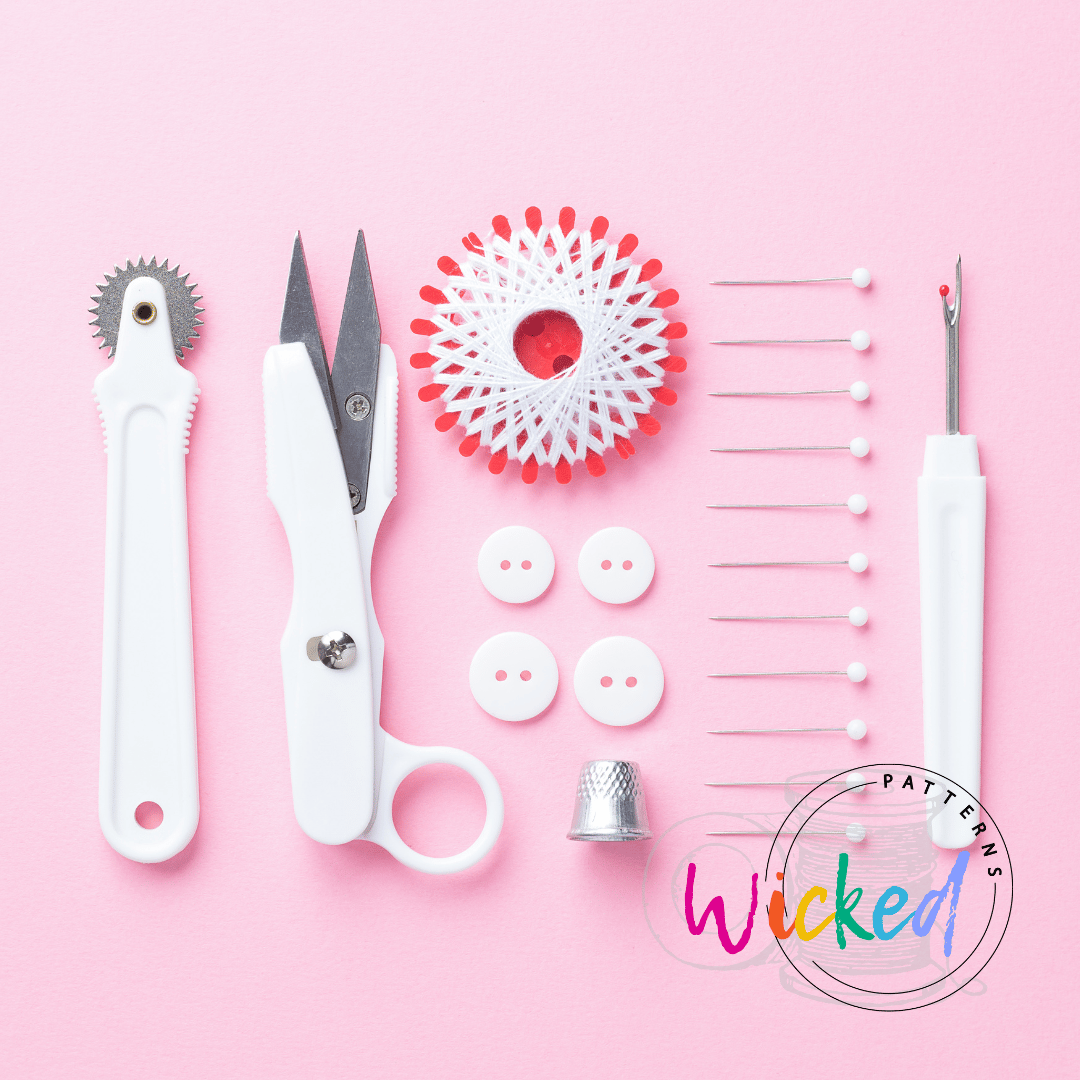
Having the right tools can make a significant difference in the quality of your finished garments and the ease of your sewing process. Here's a comprehensive list of essential tools and their importance:Sewing MachineWhile you can use any, including ...
Read More

When selecting knit fabrics for children's clothing, there are several factors to consider:Stretch and RecoveryStretch and recovery are important factors in knit fabrics, especially for children's wear.T-shirts and Casual Tops (25%+ stretch):Medium-w...
Read More